
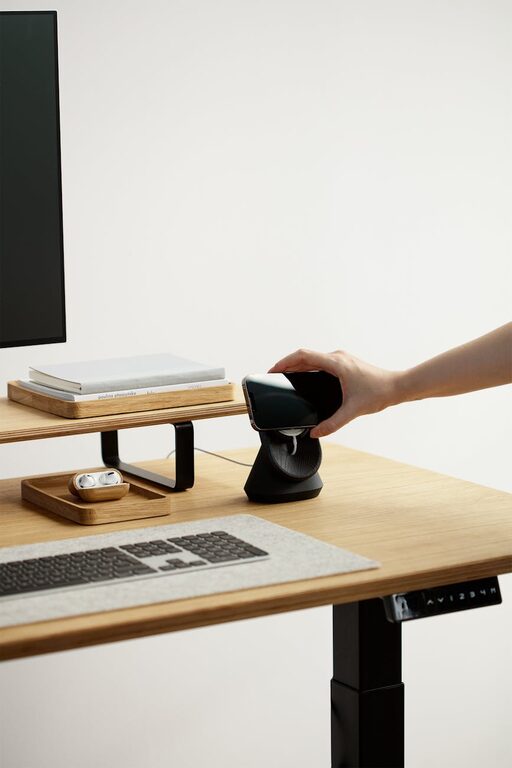
Creating a workspace that supports both focus and comfort can make a significant difference in your productivity and well-being. Whether you work from home or in an office, a well-organized, ergonomic desk setup can help reduce distractions, prevent discomfort, and keep you motivated throughout the day. This guide offers practical tips to design a desk setup that balances function and comfort.
Why Your Desk Setup Matters
Your desk is more than just a surface to hold your computer and papers—it’s the foundation of your work environment. A cluttered or poorly arranged desk can increase stress and decrease focus. On the other hand, a thoughtfully designed workspace encourages good posture, minimizes distractions, and promotes efficient workflows. Investing time in setting up your desk correctly pays off in improved concentration and reduced physical strain.
Choose the Right Desk and Chair
Select an Ergonomic Desk
– Height: Make sure the desk height allows your arms to rest comfortably at a 90-degree angle when typing.
– Size: Choose a desk with enough surface area to hold your essentials without overcrowding.
– Adjustability: Consider a sit-stand adjustable desk to alternate between sitting and standing throughout the day.
Invest in a Comfortable Chair
– Support: Look for chairs that provide good lumbar support to maintain the natural curve of your spine.
– Adjustability: Choose a chair with adjustable height, armrests, and seat tilt.
– Comfort: Cushioning and breathable materials can enhance comfort over long periods.
Position Your Monitor Correctly
Proper monitor placement is key to reducing eye strain and maintaining good posture:
– Height: The top of the monitor screen should be at or just below eye level.
– Distance: Position the monitor about an arm’s length away from your eyes.
– Angle: Tilt the screen slightly backward (10–20 degrees) for optimal viewing.
Using a monitor stand or adjustable arm can help achieve the correct height and angle.
Organize Your Desk for Efficiency
A tidy desk helps maintain focus and reduces the time spent searching for items.
Declutter Regularly
– Remove unnecessary papers, gadgets, or decor that distract you.
– Keep only what you need daily within reach.
Use Storage Solutions
– Drawers and organizers: Use compartments for pens, notebooks, and cables.
– Shelves: Place books and reference materials nearby but off your immediate work surface.
– Cable management: Use clips or cable sleeves to keep cords neat.
Arrange Items by Priority
Keep frequently used items closest to you—keyboard, mouse, phone, and notebook—while placing less-used items farther away.
Create a Comfortable Lighting Setup
Good lighting reduces eye strain and can boost mood.
– Natural light: Position your desk near a window if possible, but avoid glare on your screen.
– Task lighting: Use an adjustable desk lamp to focus light where needed.
– Ambient lighting: Soft background lighting can reduce contrast and minimize eye fatigue.
Avoid harsh overhead lights and consider warmer light bulbs for a cozy atmosphere.
Maintain Good Posture and Take Breaks
Even the best desk setup can’t replace regular movement.
– Posture tips: Keep feet flat on the floor or on a footrest, sit back in your chair, and keep your wrists straight when typing.
– Breaks: Follow the 20-20-20 rule (every 20 minutes, look at something 20 feet away for 20 seconds) to reduce eye strain.
– Stretch: Stand up and stretch or walk around regularly to improve circulation and reduce stiffness.
Personalize Your Space Thoughtfully
Adding personal touches can increase your enjoyment and motivation but keep it balanced.
– Plants: Small desk plants can improve air quality and create a calming environment.
– Photos or art: Display a few meaningful items to make the space inviting.
– Colors: Consider calming or inspiring colors through accessories like mousepads or organizers.
Avoid overcrowding the desk with decor to keep your focus clear.
Utilize Technology Wisely
Make use of tools and gadgets that enhance productivity and comfort.
– Ergonomic accessories: Keyboard trays, wrist rests, and mouse pads can reduce strain.
– Noise management: Use noise-cancelling headphones or gentle background music to focus.
– Digital organization: Keep your desktop and files organized to minimize disruption.
Final Thoughts
A well-planned desk setup is a valuable investment in your daily comfort and efficiency. By focusing on ergonomics, organization, lighting, and mindful personalization, you can create a workspace that supports your best work. Start small—adjust one element at a time—and notice how these changes improve your focus and comfort throughout the day.