
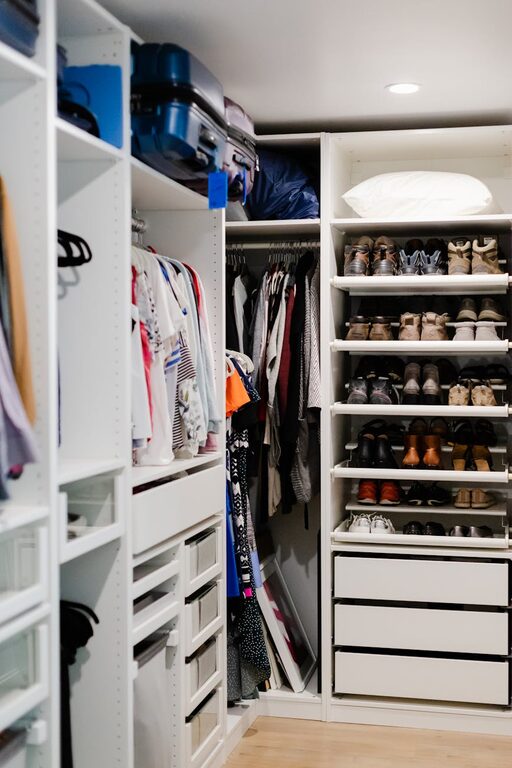
Storing seasonal clothes efficiently can be a game-changer when it comes to maintaining an organized, clutter-free home. Whether it’s bulky winter jackets or light summer dresses, managing your wardrobe with seasonal rotations helps maximize your closet space and prolongs the life of your clothing. In this post, we’ll explore practical strategies for storing your clothes, ensuring they stay in great condition and are easy to access when the seasons change.
Why Store Seasonal Clothes Separately?
Clothing takes up a lot of space, and when everything is jammed into one closet, it can become difficult to find what you need. Seasonal storage:
– Frees up daily wardrobe space.
– Protects off-season items from dust, moisture, and damage.
– Makes decluttering easier.
– Helps protect clothes from pests.
Preparing Clothes for Storage
Before packing away your seasonal garments, it’s important to prepare them properly to keep them fresh and safe.
1. Clean Everything Thoroughly
Always wash or dry clean your clothes before storing. Dirt, oils, and stains can attract pests and cause fabric damage over time.
2. Repair Minor Damage
Fix loose buttons and small tears so you avoid bigger problems later. Repairing clothes before storage makes them ready to wear when the season returns.
3. Dry Completely
Ensure all garments are fully dry. Even a little moisture can cause mildew or mold.
Choosing the Right Storage Solutions
How you store your clothing will impact their condition and your space efficiency. Here are some common storage options:
1. Storage Bins
Clear plastic bins with airtight lids are excellent for protecting clothes from moisture and pests. Using clear bins lets you easily identify contents without opening them.
2. Vacuum-Sealed Bags
Vacuum-sealed bags compress bulky items like sweaters and coats to save space. They protect clothes from air exposure, but avoid storing delicate fabrics like silk or lace this way as compression can damage fibers.
3. Garment Bags and Hanging Storage
For wrinkle-prone suits and dresses, consider breathable garment bags and hang them in a spare closet or garment rack. Avoid plastic covers—they can trap moisture and cause discoloration.
4. Under-bed Storage
Low-profile containers designed for under-bed use are a great way to utilize seldom-used space for clothes storage.
5. Cedar Chests or Boxes
Cedar wood naturally repels moths and freshens clothes. If you have pieces susceptible to moth damage, cedar-lined chests are a smart option.
Organizing Your Stored Clothing
Efficient storage isn’t just about containers—it’s also about how you organize inside them.
1. Group by Type and Season
Store items in groups, like winter sweaters, summer shorts, or rain gear. This makes it quicker to locate items when swapping your wardrobe seasonally.
2. Label Everything
Label bins or bags clearly with their contents. You can use labels, tags, or even take a photo of the items inside and tape it to the container.
3. Use Tissue Paper or Fabric Separators
Layer delicate or easily wrinkled pieces with tissue paper to avoid creases and fabric friction.
4. Pack Clothes Neatly
Fold sweaters and knits carefully or roll clothes to save space. For shoes, stuff them with socks or tissue paper so they keep their shape.
Storing Specific Types of Clothing
Different clothing types require different care when stored.
1. Knitwear and Sweaters
Fold knitwear to prevent stretching. Avoid hanging because it can deform the fabric shape.
2. Jackets and Coats
Store bulky winter coats in garment bags or large bins. Ensure they are clean and dry before packing.
3. Shoes
Store shoes in boxes or breathable fabric bags. Avoid plastic bags because they can trap moisture.
4. Delicate Fabrics
Silk, lace, and embellished pieces are best stored flat in breathable fabric containers or wrapped in acid-free tissue paper.
Tips for Maintaining Stored Clothes
To keep your clothes fresh and safe:
– Add natural pest repellents like lavender sachets or cedar blocks to storage containers.
– Keep storage areas dry and well-ventilated.
– Avoid storing clothes in attics or basements with extreme temperature swings or humidity.
– Check stored items periodically for signs of damage or moisture.
Seasonal Rotation Routine
Make seasonal rotation a hassle-free task by planning ahead:
– Choose a consistent time—at the start or end of each season—to switch wardrobes.
– Take inventory to decide if any items need repairing, donating, or replacing.
– Clean your storage containers before packing away clothes.
– Review your storage organization system each year and adjust as needed.
—
Storing your seasonal clothes efficiently not only frees up closet space but also ensures your wardrobe stays in great condition. By cleaning, organizing, and using the right storage methods, you can make seasonal transitions smoother and keep your home clutter-free. Happy organizing!